

Why Barbershops & Hair Salons Need Websites That Convert—Not Just Look Pretty
Salon websites often fail because they prioritize visual appeal over user experience and booking functionality. Conversion-focused sites implement clear calls to action, streamlined appointment systems and mobile-first design.
Last updated: 31 July 2026
A salon owner in Vienna called us last summer with a problem. Her website had won a local design award. Photos were sharp, the color palette was immaculate, and the layout felt modern. Yet she was still fielding walk-in inquiries instead of online bookings. She'd spend hours each week texting back appointment confirmations, rescheduling no-shows, and explaining her service menu to repeat customers who'd already seen it online. Beautiful design, zero business impact. That's when we realized most salon websites solve the wrong problem.
The Gap Between Looking Good and Booking Full
Most barbershops and hair salons treat their website as a digital brochure—a place to prove they exist and display photos. It looks professional, so the owner assumes it's doing its job. But a brochure doesn't book appointments. A brochure doesn't reduce no-shows. A brochure doesn't upsell clients on premium services or capture their email for retention marketing.
The conversion problem is twofold. First, visitors land on the site but can't book without leaving it—they have to phone, message, or use a third-party booking platform that takes a commission. Second, even when booking is possible, the experience is friction-laden: confusing availability calendars, unclear pricing, or unclear service descriptions that lead to callback questions that could have been answered upfront.
I've worked with salons across Austria and Germany that had decent traffic but a booking conversion rate below 3%. The bottleneck wasn't the salon's quality. It was the website's lack of clarity about what happens next.
What a Conversion-Focused Salon Website Actually Does
A working salon website serves three practical functions: it answers the top five questions a new client asks, it lets existing clients self-serve their booking and rescheduling, and it captures zero-pressure contact data from people who aren't ready to book today.
Answering questions upfront means writing for the client's mental checklist, not for Google. New clients want to know: What services do you offer? How much do they cost? How long does each service take? When can I get an appointment? What's your cancellation policy? A website that buries this information behind multiple clicks or vague service names loses conversions. We've seen straightforward pricing tables and service cards (each with duration and price) increase booking inquiries by 25–40% because clients no longer have to call to ask basic questions.
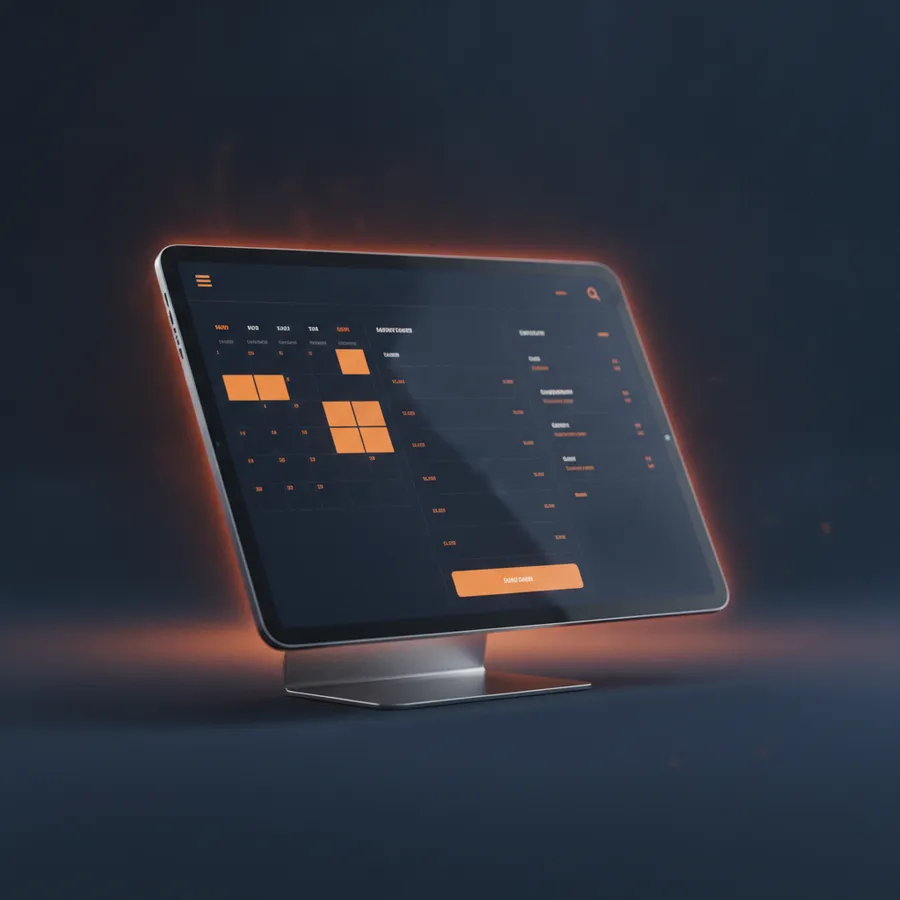
Self-service booking is non-negotiable. Integration with booking software like Calendly, Acuity Scheduling, or a native calendar system reduces friction and eliminates the back-and-forth. The salon still controls availability, but the client controls when they commit. This also reduces no-shows because an automated confirmation (and reminder) does the work your team was doing manually.
Lead capture works for the undecided visitor. A small form asking for email in exchange for a discount on the first appointment creates a pool of prospects you can nurture via email. Not everyone books on first visit, but if you can reach them with a second touchpoint, you often convert them.
Integrating Booking, Reviews, and Local Search

The strongest salon websites I've built tie three things together: the booking system, review visibility, and local search optimization. If your website doesn't show recent reviews from Google or Trustpilot, you're leaving conversion on the table. New clients make booking decisions based on what others say. Hiding reviews behind a "read more" button or sending them elsewhere to find them signals you're not confident in your track record.
Local search is equally critical. A barbershop in Innsbruck competes with every other barbershop within a 3 km radius. Your website's title tags, meta descriptions, and on-page content need to mention your neighborhood or district. A salon website that says "luxury hair salon in Tyrol" ranks for nothing. One that emphasizes "women's cuts and color in Wilten, Innsbruck" has a fighting chance.
Schema markup—structured data that tells Google what you are—also matters. Salons often skip this, but adding FAQSchema and LocalBusinessSchema to your site gives you richer SERP snippets and higher click-through rates. We've seen proper schema implementation drive 15–20% more traffic to salon websites because the search result itself communicates service offerings and phone number directly.
Common Mistakes That Kill Conversion
Salon websites often fail for predictable reasons. Outdated photos of staff who no longer work there. Vague service names without pricing ("Hair Experience" instead of "Men's Cut £25"). A booking button that links to a third-party site where clients have to create an account. A contact form with no confirmation email. No mobile optimization (half your visitors are mobile). Animations that slow the page load. No clear call-to-action above the fold.
The Vienna salon we mentioned fixed most of these in three months. We built a simple booking integration, added clear service cards with prices and durations, and wrote a FAQ section that addressed the five most common phone call questions. No redesign, no flash. Just clarity and friction reduction. Bookings increased from 8–12 per week to 18–24. The owner stopped answering "what times are you open" texts.
What to Expect From a Salon Website That Works
A conversion-focused salon site doesn't have to be expensive or overly complex. It needs to be fast, mobile-responsive, clear on pricing and services, and integrated with your booking system. It should show proof (reviews, photos of actual work), make the next action obvious, and handle the questions your team answers on the phone every day.
The design should be professional but secondary to function. A salon website that books five extra clients per week is worth more than a design award. A website that reduces no-shows by automating confirmations saves your team hours. A site that captures email addresses for marketing creates a retention channel you control.
Frequently Asked Questions
Why do most salon websites underperform?▾
They're built as digital portfolios rather than sales tools, prioritizing gallery images over checkout flows and clear booking paths.
What's the difference between a portfolio site and a conversion site?▾
Portfolio sites showcase work; conversion sites guide visitors through decision-making and remove friction at every step toward booking.
How much does a booking system actually impact salons?▾
Integrated appointment systems reduce no-shows through automatic reminders and increase repeat bookings by eliminating phone tag and scheduling friction.
Should salons prioritize mobile design?▾
Yes—most salon bookings now start on a phone, making responsive design non-negotiable.
What features convert browsers into clients?▾
Clear service menus with pricing, stylist bios, visible availability calendars, and one-click booking reduce decision paralysis.
Related service
Website-Leasing
New articles delivered straight to your inbox
- ✓New articles delivered to your inbox
- ✓Digital marketing tips for SMEs
- ✓No spam, unsubscribe anytime
More articles

Technical Integration Guide: Syncing Lodgify, Airbnb, and Stripe for Automated Booking Management
Synchronize your booking channels with Lodgify, Airbnb, and Stripe to eliminate booking conflicts and automate payment processing across platforms.

Beauty Studio Websites That Convert: Why Booking Systems Matter More Than You Think
Beauty studios need more than aesthetics. A professional website with seamless booking integration drives client acquisition and reduces no-shows.